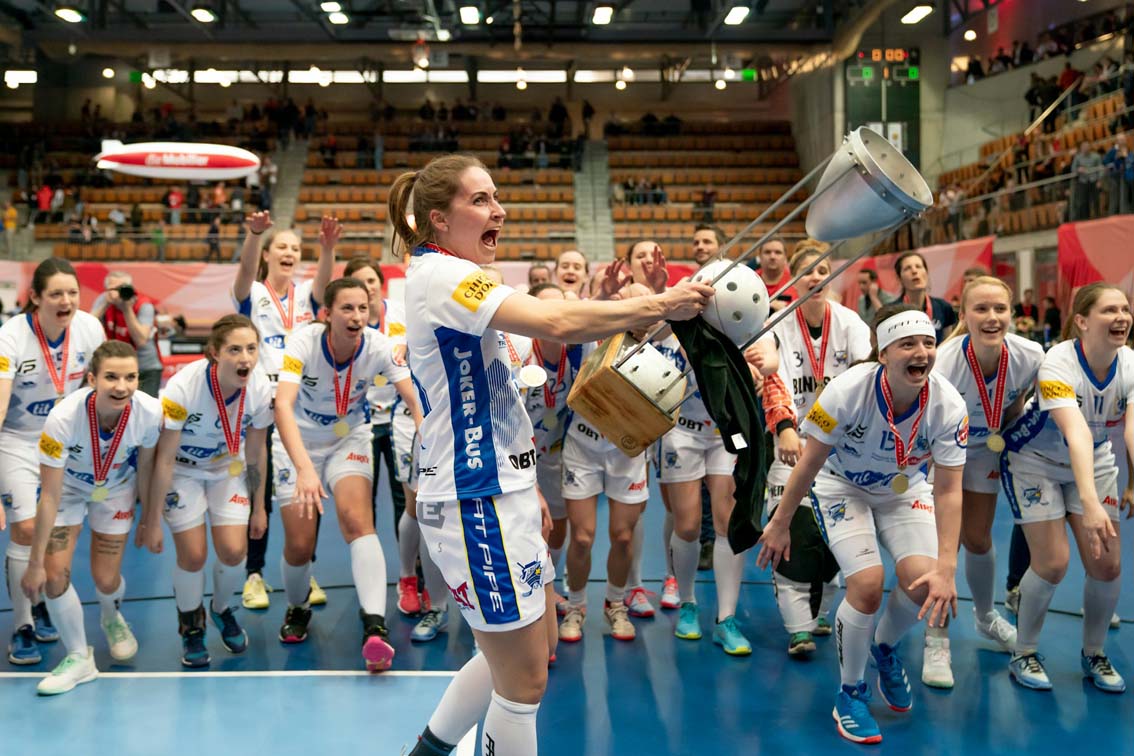

TWIN has co-authored new research that finally puts the career development of female elite athletes center stage.
We know that women face unique challenges in their high-level sport careers, that they set individual priorities, and that they require tailored support. Yet, most support systems are build on evidence from male athletic career pathways. Time for a change! The international research of the EU-funded project HerForm, co-designed by TWIN, for the first time identified gender-specific career development needs of female athletes across Europe.
Download the full-text article “Meeting Career Development Needs of Female Elite Athletes—A Coproductive Approach to Career Support” (open access) at ResearchGate, and find out more about the evidence-based HerForm training course at herform.eu.
Abstract
Across their careers, female athletes face specific challenges, such as adjusting their training to their menstrual cycle or balancing their private and athletic life. Compared with their male counterparts, there is limited knowledge on how to best support the career development of female athletes.
In adopting an integrated knowledge translation approach, this study aimed to assess female athletes’ perceptions of career development needs and knowledge gaps relevant to navigating elite sports. Within the Erasmus+ project HerForm, a total of 132 elite female athletes ( M age = 25.9 ± 6.0 years) in their early- ( n = 47), mid- ( n = 30), and late-career stages ( n = 55) across Europe and South Africa were included.
Athletes were asked to indicate their perceived preparedness in managing 18 development areas relevant to their career (e.g., managing travel) and their respective need for information in these within an online survey. Overall, athletes indicated they were most prepared to develop and maintain social relationships. Areas in which athletes expressed they were least prepared for and wanted to be more informed about included returning to sport after child birth, negotiating contracts, obtaining sponsorships, mental health, and developing a personal brand. Athletes in their early- and midcareer stages appeared to have similar and highest information needs.
Findings are discussed based on areas most salient to advance female careers in sports, drawing from psychological, sociological, and economic evidence.
Key points
- A multinational coproductive approach was utilized to identify career development and information needs of elite female athletes (N=132).
- Athletes appeared most prepared to develop social relationships and least prepared to manage postpartum return to sport, contract negotiations, and mental health.
- Findings highlight the need to implement individually tailored support programmes specifically for early- and mid career stage females.
•
•
•